Puzzles
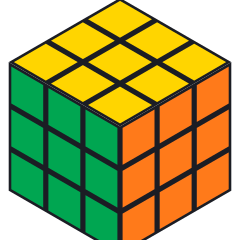
Rubik's Cube
The easy layer-by-layer method in 7 steps, with pictures and the moves to remember.
Read the guideEverything you need to start watching or playing cricket: how a match works, how runs are scored, the ways a batter gets out, and the difference between Test, ODI and T20 cricket.
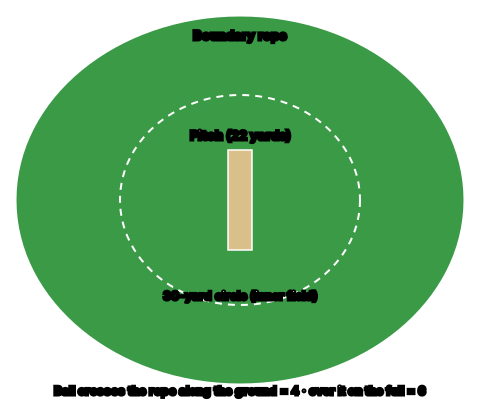
Two teams of 11 players. A coin toss decides who bats first. One team bats and tries to score runs; the other bowls and fields and tries to get the batters out. Then they swap. The team with more runs wins.
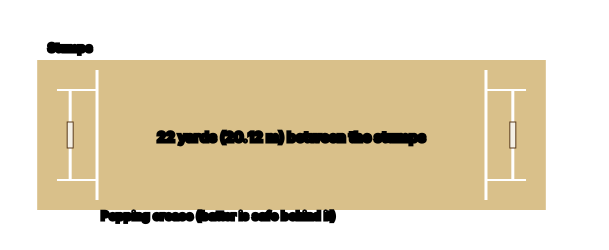
At each end of the 22-yard pitch stands a wicket: three stumps with two bails on top. The popping crease is the line in front of the stumps: a batter is safe ("in their ground") when their bat or body is grounded behind it.
When a batter is caught, the new batter comes in at the end where the strike will be (the batting end), even if the batters had crossed.
Two on-field umpires make the decisions; a raised index finger means out. In top matches a third umpire uses TV replays for run outs and stumpings, and teams can ask for a review of an umpire's decision (the Decision Review System, DRS) a limited number of times per innings.
Six legal balls. Wides and no-balls do not count and must be bowled again.
A four reaches the boundary after bouncing or rolling; a six clears the boundary without touching the ground.
In ODI and T20 internationals the ball after a no-ball is a free hit: the batter cannot be out bowled, caught or LBW from it, only in a few rare ways such as run out.
When the ball hits the leg or body first and would have hit the stumps, as long as it did not pitch outside the leg stump and did not hit the pad outside the off stump while the batter was playing a shot.
Eleven players on the field. In many competitions substitutes may field but, except for concussion and similar replacements, may not bat or bowl.
Yes. If the team batting last has not been bowled out and has not reached its target when time runs out, the match is drawn.
Sources: MCC: the Laws of Cricket
The easy layer-by-layer method in 7 steps, with pictures and the moves to remember.
Read the guide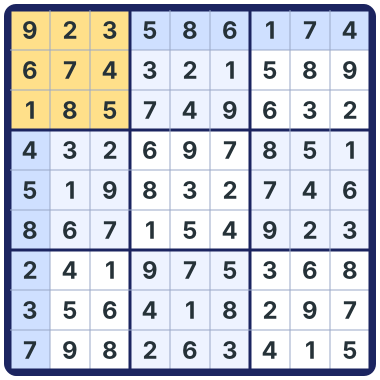
The rules and the two methods that solve every easy puzzle, with picture examples.
Read the guide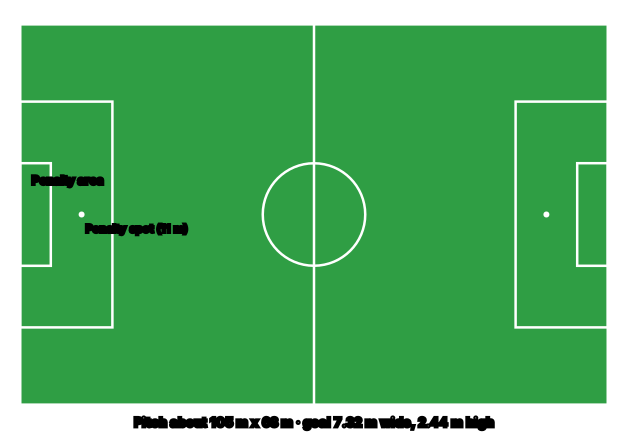
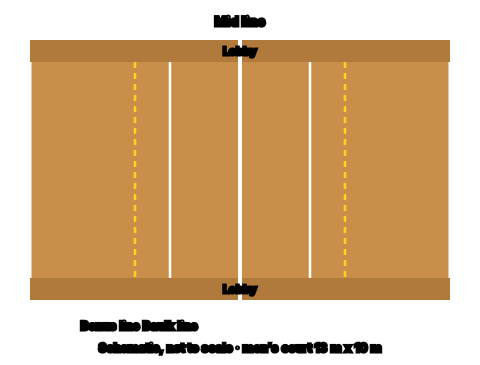
Raids, touch and bonus points, tackles, super tackles and all outs, explained simply.
Read the guide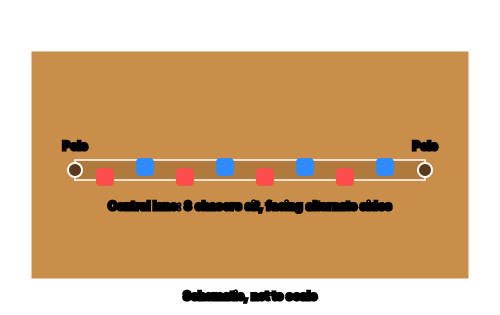
Chasers and runners, the “kho”, the poles and scoring, explained simply.
Read the guide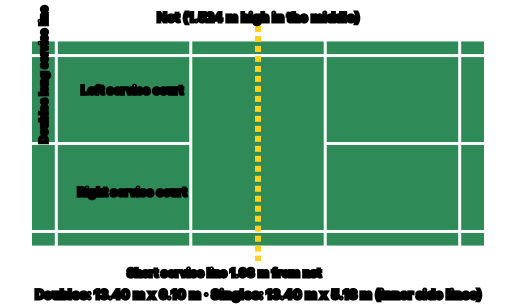
Scoring (including the new 15-point games), serving, the court and faults.
Read the guide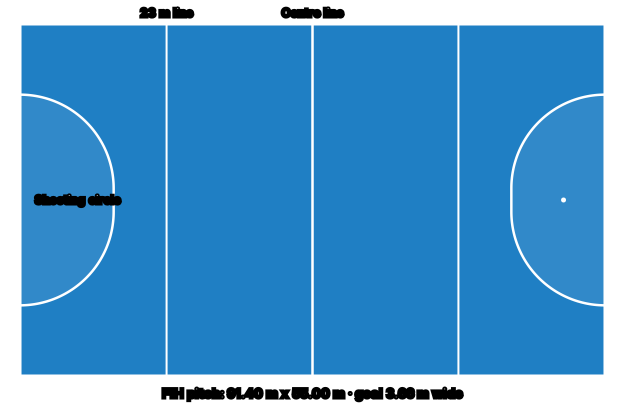
Players, quarters, the shooting circle, penalty corners and cards, explained simply.
Read the guide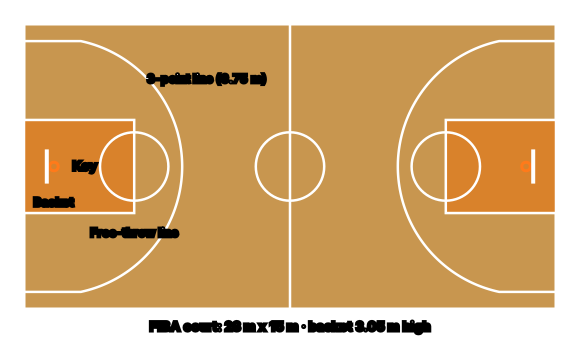
Scoring, dribbling, time rules, fouls and free throws, explained simply.
Read the guide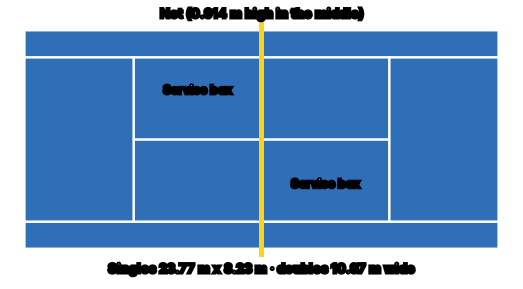
Ludo, Snakes & Ladders and quick games like Tic-Tac-Toe, free in your browser.